

 EN
EN
Kaixin องค์กรเทคโนโลยีขั้นสูงที่เชี่ยวชาญด้าน R&D การผลิตและจำหน่ายวาล์วไปป์ไลน์โพลีเมอร์
เบากว่าวาล์วโลหะอย่างเห็นได้ชัด
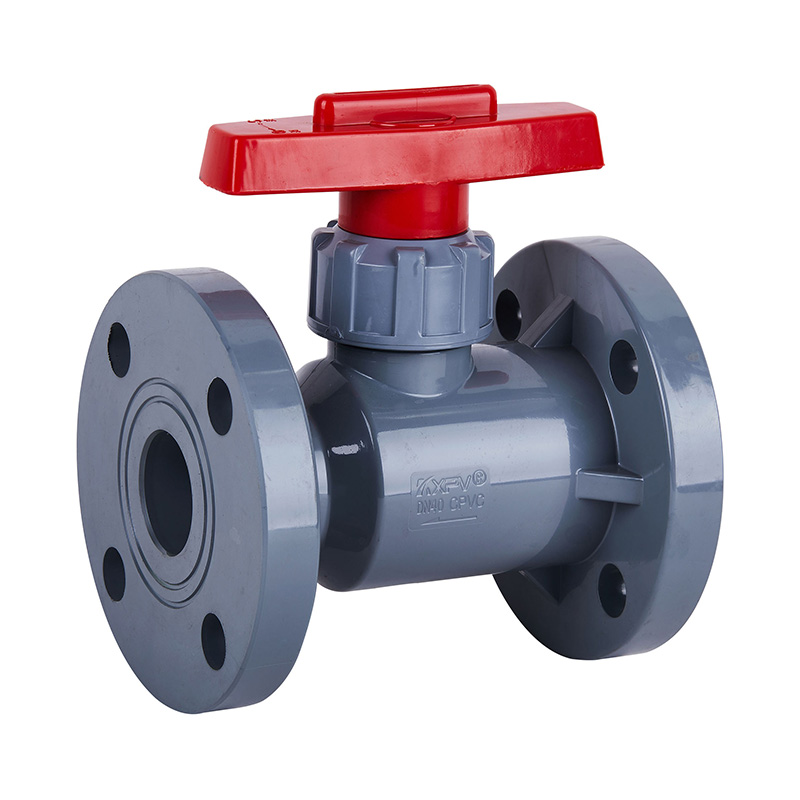
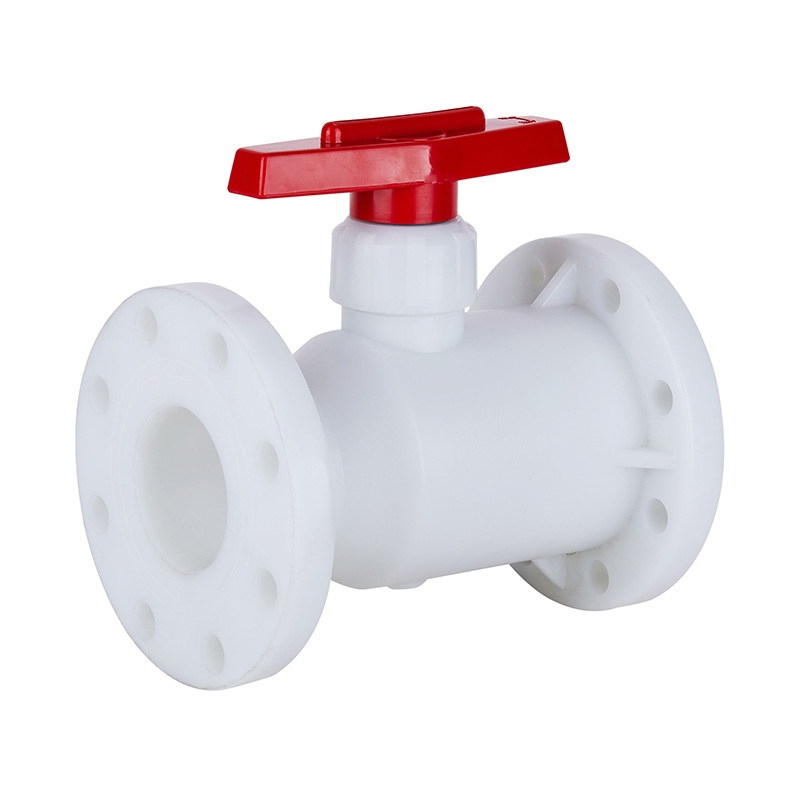
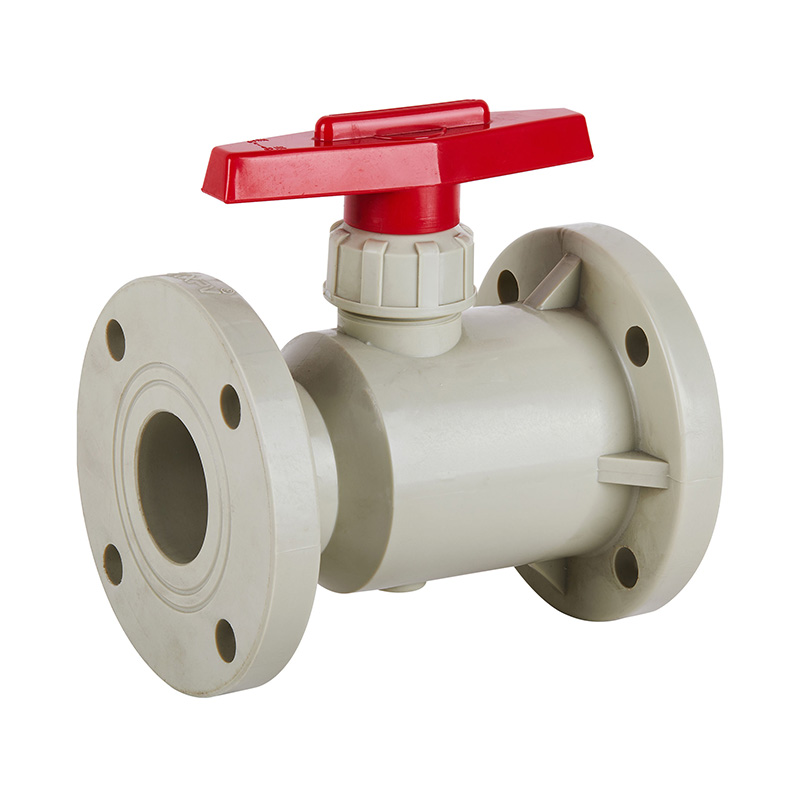
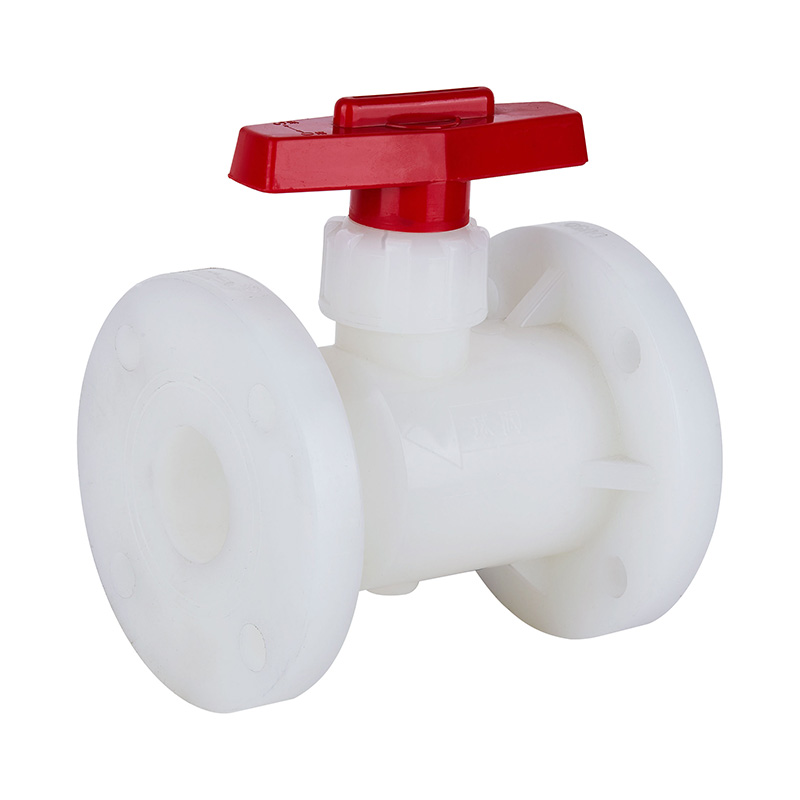
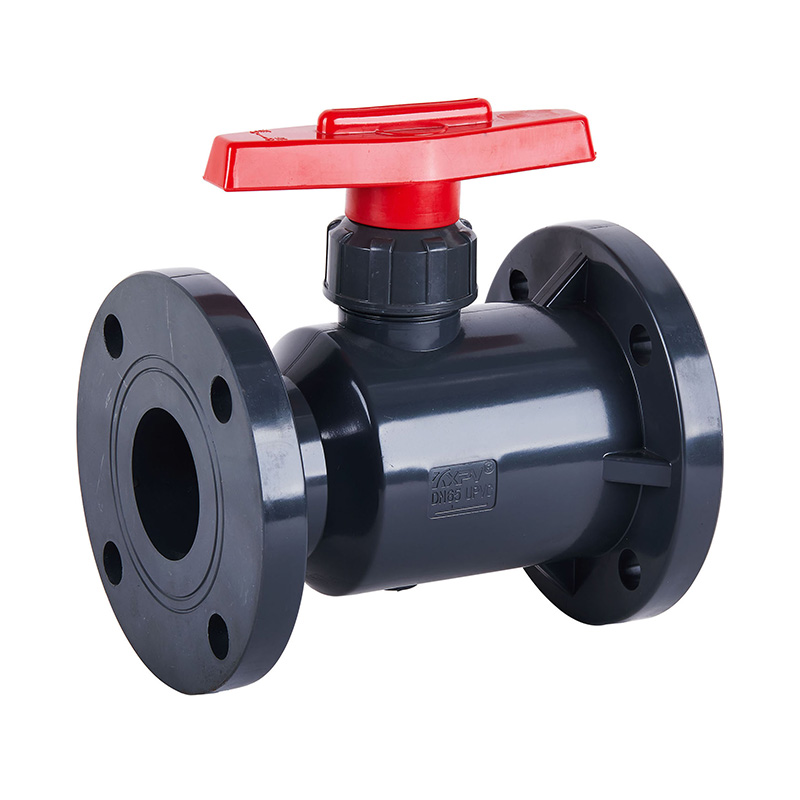
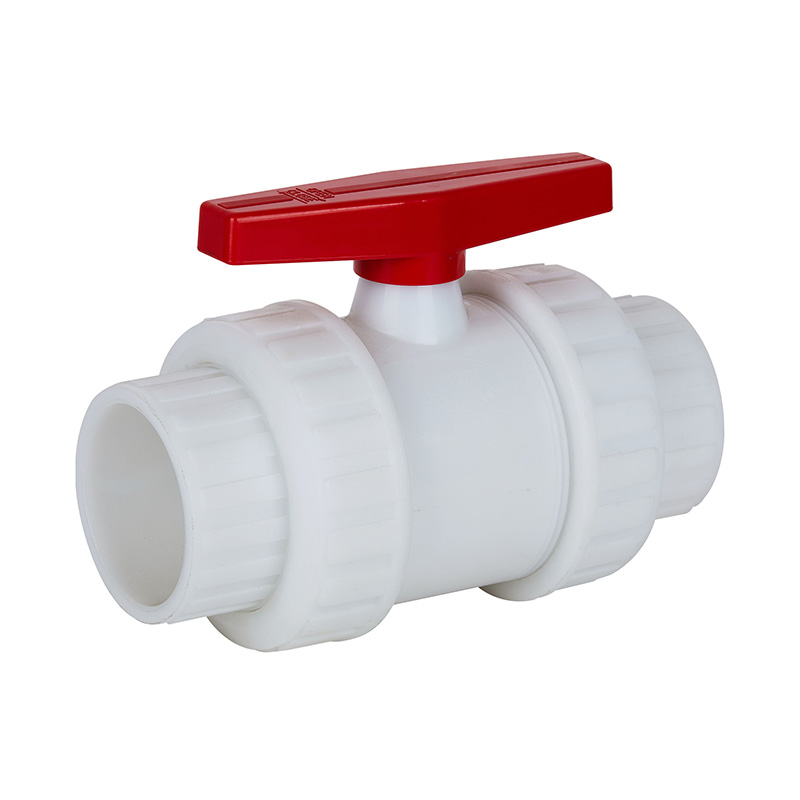
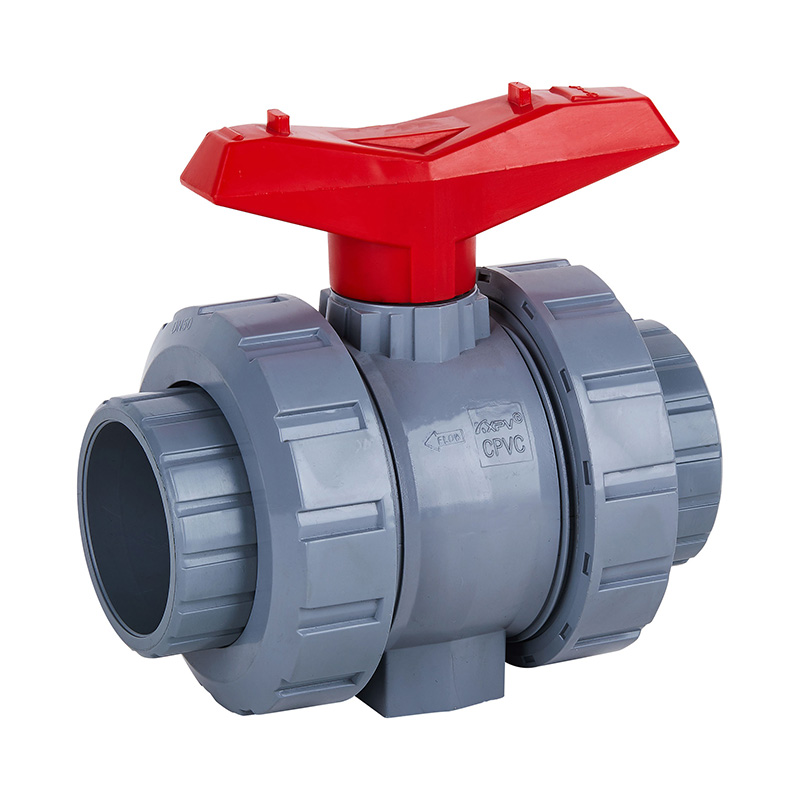
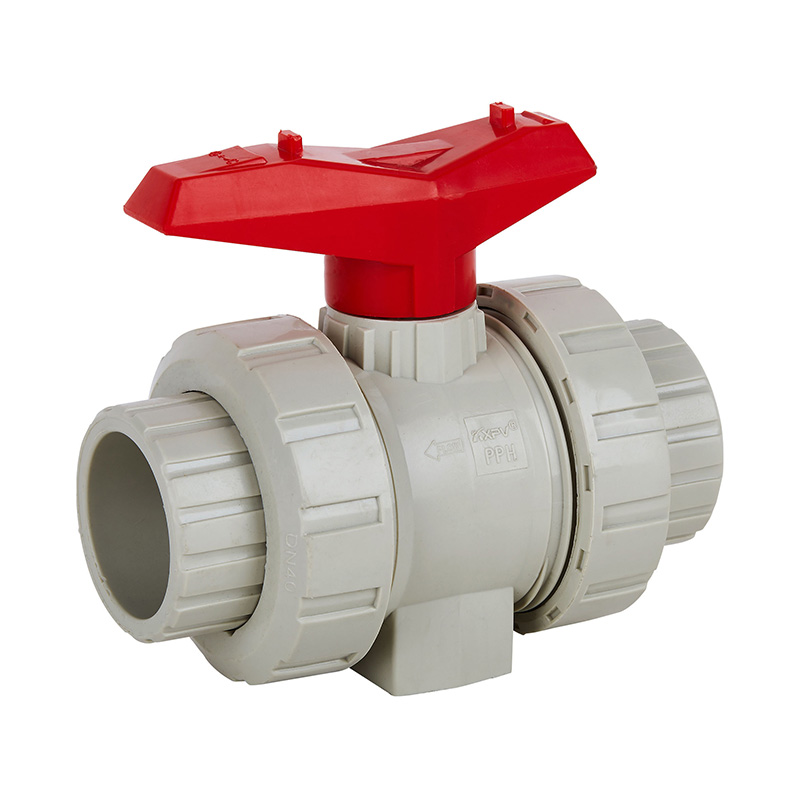
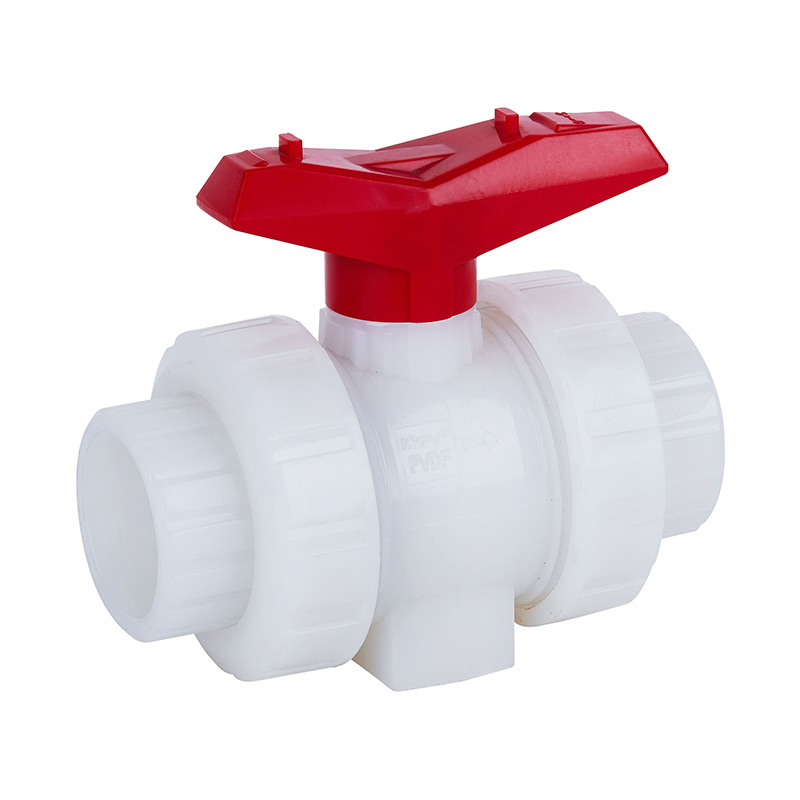
หนึ่งในสาเหตุหลัก บอลวาล์วพลาสติก เป็นที่ต้องการในการใช้งานทางอุตสาหกรรมและการพาณิชย์ต่างๆเป็นอย่างมาก น้ำหนักเบา เมื่อเทียบกับแบบดั้งเดิม บอลวาล์วโลหะ . วัสดุเช่น พีวีซี (โพลีไวนิลคลอไรด์) , CPVC (คลอรีนโพลีไวนิลคลอไรด์) และ พีพี (โพลีโพรพีลีน) มีความหนาแน่นน้อยกว่าโลหะเช่น สแตนเลส , ทองเหลือง หรือ เหล็กกล้าคาร์บอน ทำให้วาล์วพลาสติกเบาขึ้นหลายเท่า น้ำหนักที่แตกต่างกันนี้มีความสำคัญอย่างยิ่งในโครงการขนาดใหญ่ ซึ่งจำเป็นต้องติดตั้งวาล์วหลายตัวในระบบ วาล์วไฟแช็กช่วยลดการ น้ำหนักโดยรวม ของระบบท่อ ซึ่งช่วยลดความท้าทายด้านลอจิสติกส์ในการติดตั้ง การขนส่ง และการจัดการ ในการใช้งาน เช่น ระบบชลประทาน โรงบำบัดน้ำ หรือการดำเนินงานทางการเกษตร น้ำหนักที่เบากว่า บอลวาล์วพลาสติก หมายถึงการขนถ่ายวัสดุน้อยลงและ การขนส่งง่ายขึ้น ลดต้นทุนการดำเนินงาน
ลดต้นทุนการขนส่งและการจัดการ
ที่ ธรรมชาติที่มีน้ำหนักเบา ของวาล์วพลาสติกก็นำไปสู่ ลดต้นทุนการขนส่งและการจัดการ . เนื่องจากวาล์วพลาสติกมีน้ำหนักน้อยกว่าวาล์วโลหะ จึงมีค่าใช้จ่ายในการขนส่งน้อยกว่า โดยเฉพาะในระยะทางไกล เมื่อต้องจัดการกับคำสั่งซื้อจำนวนมากหรือการขนส่งไปยังสถานที่ก่อสร้าง น้ำหนักลดลง ของวาล์วพลาสติกช่วยได้ ลดค่าใช้จ่ายในการขนส่ง เนื่องจากต้องการพื้นที่บรรทุกสินค้าน้อยลง และจำเป็นต้องใช้ทรัพยากรในการขนถ่าย การขนถ่าย และการเคลื่อนย้ายวาล์วน้อยลง สิทธิประโยชน์นี้ไม่เพียงครอบคลุมถึงต้นทุนการขนส่งโดยตรงเท่านั้น แต่ยังรวมไปถึงค่าขนส่งด้วย ลดการใช้เชื้อเพลิง จำเป็นสำหรับการขนส่ง ซึ่งช่วยประหยัดต้นทุนตลอดห่วงโซ่อุปทาน
ง่ายต่อการจัดการระหว่างการติดตั้ง
เนื่องจากน้ำหนักที่ลดลง บอลวาล์วพลาสติก จัดการได้ง่ายกว่ามากในระหว่างการติดตั้ง โดยเฉพาะอย่างยิ่งสำหรับวาล์วขนาดใหญ่ แบบดั้งเดิม บอลวาล์วโลหะ —โดยเฉพาะที่มีเส้นผ่านศูนย์กลางขนาดใหญ่—อาจยุ่งยากและเคลื่อนย้ายได้ยาก โดยต้องใช้อุปกรณ์การยกแบบพิเศษหรือใช้คนหลายคนเพื่อการจัดการที่เหมาะสม บอลวาล์วพลาสติก มีน้ำหนักเบากว่า ลูกเรือขนาดเล็กสามารถจัดการได้ และความเสี่ยงต่อความเสียหายระหว่างการขนย้ายก็ลดลง สำหรับการดำเนินงานขนาดใหญ่จะส่งผลให้ เวลาติดตั้งเร็วขึ้น และก ขั้นตอนการทำงานที่มีประสิทธิภาพมากขึ้น ประหยัดทั้งเวลาและค่าแรงในที่สุด
การจัดการและการวางตำแหน่งที่ง่ายขึ้น
ที่ น้ำหนักเบา การก่อสร้างของ บอลวาล์วพลาสติก แปลโดยตรงเป็นการจัดการและการวางตำแหน่งที่ง่ายขึ้นระหว่างการติดตั้ง วาล์วโลหะหนักขนาดใหญ่มักต้องใช้เครื่องมือเพิ่มเติม เช่น เครน รอก หรือระบบรางเพื่อการจัดวางที่เหมาะสม โดยเฉพาะอย่างยิ่งเมื่อติดตั้งใน พื้นที่แคบหรือสูง . ที่ ความสะดวกในการจัดการ และ ลดความเสี่ยงของการบาดเจ็บ เนื่องจากมีน้ำหนักเบาทำให้ บอลวาล์วพลาสติก วิธีแก้ปัญหาเชิงปฏิบัติโดยเฉพาะใน พื้นที่จำกัด หรือบริเวณที่เข้าถึงยาก ขนาดที่จัดการได้ช่วยให้ผู้ปฏิบัติงานวางตำแหน่งและยึดวาล์วได้อย่างมีประสิทธิภาพมากขึ้น ซึ่งช่วยลดเวลาการติดตั้งโดยรวม
ไม่จำเป็นต้องเชื่อมหรือทำเกลียว
บอลวาล์วพลาสติก โดยทั่วไปจะได้รับการออกแบบด้วย เกลียว , ซ็อกเก็ตเชื่อม หรือ การเชื่อมต่อแบบสลิปออน ซึ่งช่วยให้สามารถติดตั้งได้ง่ายและรวดเร็วโดยไม่จำเป็นต้องใช้ การเชื่อม , การบัดกรี หรือ เทคนิคพิเศษในการเชื่อม . นี่เป็นข้อได้เปรียบที่สำคัญเหนือวาล์วโลหะ ซึ่งมักต้องมีการเชื่อมหรือเกลียวที่แม่นยำ โดยเฉพาะอย่างยิ่งสำหรับ สแตนเลส วาล์วซึ่งใช้งานยากกว่า การไม่จำเป็นต้องเชื่อมจะช่วยลดความซับซ้อนโดยรวมของกระบวนการติดตั้ง ขจัดความจำเป็นในการใช้ทักษะเฉพาะทาง เช่นความเชี่ยวชาญในการเชื่อม นอกจากนี้ยังหมายความว่าการติดตั้งสามารถดำเนินการได้โดยไม่ต้องใช้อุปกรณ์เพิ่มเติม เช่น เครื่องเชื่อมหรือเครื่องมือบัดกรี ส่งผลให้ขั้นตอนการติดตั้งสำหรับ บอลวาล์วพลาสติก คือ ประยุกต์ และ it requires ทรัพยากรน้อยลง ซึ่งช่วยประหยัดทั้งเวลาและเงิน
ทนต่อการกัดกร่อนและสารเคมี
ต่างจากวาล์วโลหะ บอลวาล์วพลาสติก มีความทนทานต่อธรรมชาติ การกัดกร่อน ซึ่งทำให้เหมาะอย่างยิ่งสำหรับการจัดการสารเคมีหรือของเหลวที่มีฤทธิ์รุนแรงที่มีความเป็นกรดสูง ในระบบโลหะ การกัดกร่อนอาจทำให้วาล์วเสียหายก่อนกำหนด ซึ่งต้องมีการบำรุงรักษา ซ่อมแซม หรือเปลี่ยนใหม่อย่างต่อเนื่อง ที่ ทนต่อสารเคมีและการกัดกร่อน ของพลาสติกทำให้มั่นใจได้ว่า บอลวาล์วพลาสติก มีอายุการใช้งานยาวนานขึ้นโดยไม่จำเป็นต้องบำรุงรักษาบ่อยครั้งหรือเคลือบป้องกันแบบพิเศษ ในสภาพแวดล้อมที่วาล์วโลหะจะเสื่อมสภาพเมื่อเวลาผ่านไป วาล์วพลาสติกจะช่วยก ตัวเลือกที่เชื่อถือได้และไม่ต้องบำรุงรักษา ที่ช่วยลดทั้งต้นทุนการติดตั้งและค่าใช้จ่ายในการดำเนินงานในระยะยาว นอกจากนี้ยังมี ไม่จำเป็นต้องเคลือบป้องกัน หรือการบำบัด ทำให้กระบวนการติดตั้งง่ายขึ้นและปรับปรุงความคุ้มค่าโดยรวม
ลดความเสี่ยงของความเสียหายระหว่างการติดตั้ง
เนื่องจาก ลักษณะความยืดหยุ่นของวัสดุพลาสติก , บอลวาล์วพลาสติก มีแนวโน้มน้อยที่จะ ความเสียหายทางกายภาพ ระหว่างการจัดการและการติดตั้งเมื่อเปรียบเทียบกับโลหะ วาล์วโลหะมักจะเสี่ยงต่อรอยบุบ รอยขีดข่วน และแม้แต่รอยแตกจากการใช้งานที่ไม่ถูกต้อง ซึ่งอาจทำให้วาล์วเสียหายได้ ความสมบูรณ์ของซีล หรือฟังก์ชั่น ที่ ความทนทาน และ ความยืดหยุ่น ของพลาสติกทำให้พวกเขาเสี่ยงต่อปัญหาเหล่านี้น้อยลง นี่หมายความว่า บอลวาล์วพลาสติก มีโอกาสน้อยที่จะประสบความล้มเหลวเนื่องจากข้อผิดพลาดในการติดตั้งหรืออุบัติเหตุ ซึ่งสามารถประหยัดต้นทุนที่เกี่ยวข้องกับการซ่อมแซมหรือเปลี่ยนใหม่ หากจำเป็นต้องเปลี่ยนตำแหน่งวาล์วระหว่างการติดตั้ง วาล์วพลาสติกมีโอกาสน้อยที่จะเสียหายถาวร ให้ความอุ่นใจมากขึ้นในระหว่างกระบวนการติดตั้ง

 สำนักงานใหญ่: เลขที่ 539 Bohai Road, Beilun District, Ningbo City, Zhejiang Province, P.R. China
 +86-18067123177